
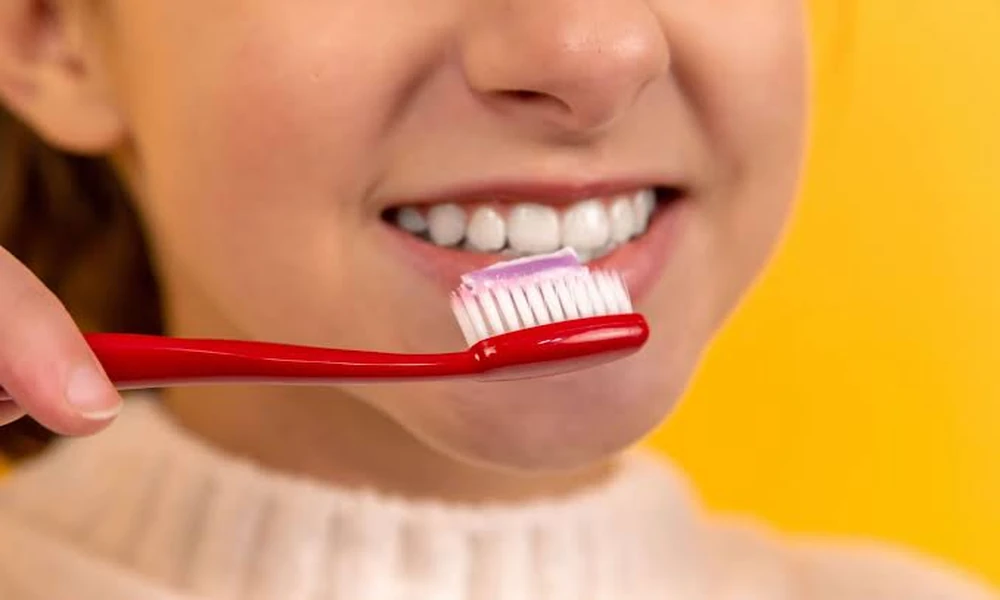
You are not just trying to keep up with dental cleanings. You are trying to remember when to replace toothbrushes, whether your child’s thumb sucking is still a concern, why your gums bleed when you floss, and if that one sensitive tooth means trouble or just a bad week. Most families do not need more guilt. They need clear advice they can use at home, between visits, when real life gets busy. A Hanover dentist can help make that guidance easier to understand and follow.
That is where How Family Dentistry Provides Education Beyond The Dental Chair becomes more than a nice idea. A good family dentist does not only treat cavities or polish teeth. They teach you how daily habits shape oral health, how age changes dental needs, and how to catch problems early before they turn into pain, cost, and stress. Family dental education gives you tools that stay with you after the appointment ends.
Family dentistry turns routine visits into practical health guidance
A family dentist sees the patterns that happen in real homes. One child hates brushing. Another clenches at night. A parent keeps putting off care because work is packed. A grandparent has dry mouth from medication and does not realize it raises the risk of decay. Treatment matters, but education changes what happens next.
When dental visits stop at “everything looks fine,” families miss the part that helps them stay fine. You may leave with clean teeth and still feel unsure about technique, diet, timing, or risk. That uncertainty usually shows up later. A small white spot becomes a cavity. Mild gingivitis becomes gum trouble. A child who breathes through the mouth at night starts showing wear or crowding concerns that no one explained early enough.
Preventive family dental care works best when it includes coaching that fits your life. That can mean showing a child how to angle the brush at the gumline, explaining why sports drinks cause damage even when they are sugar free, or helping a parent understand that bleeding gums are not a reason to avoid flossing. They are a sign that the area needs more consistent care.
That kind of guidance lowers confusion and gives you something more useful than vague reminders to “brush better.” It gives you a plan.
Education from a family dentist reaches every age group in the home
Oral health needs do not stay the same, and one of the strengths of a family dentist is seeing those needs across the whole household. Children need help building habits and learning that dental care is normal, not scary. Teens often need conversations about braces care, mouthguards, sugar, soda, and appearance driven brushing that misses the back teeth. Adults need support around gum health, grinding, stress, and delayed treatment. Older adults may need guidance on root decay, dry mouth, crowns, dentures, and links between oral health and other medical conditions.
The research backs up the need for this kind of support. The National Institute of Dental and Craniofacial Research outlines in its report on oral health in America that oral disease remains common across the lifespan and is shaped by habits, access, education, and overall health. That means the teaching piece is not extra. It is part of care.
For adults, the CDC offers clear oral health tips for adults that reinforce daily brushing with fluoride toothpaste, flossing, smart food choices, and regular dental visits. For children, the CDC’s oral health tips for children stress early prevention, fluoride, sealants, and parent involvement. A family dental office often helps translate those general recommendations into daily routines that actually stick.
Home care and professional guidance are not equal forms of prevention
Families often try to solve dental issues at home first, and that makes sense. You want to save time, avoid cost, and handle small problems before they grow. The trouble starts when home care turns into guesswork. Brushing harder does not fix gum inflammation. Mouthwash does not repair a cavity. Waiting to see if sensitivity fades can mean a simple fix becomes a larger one.
| Situation | Home Approach Alone | Family Dentist Education and Care |
|---|---|---|
| Child resists brushing | Parents repeat reminders, often leading to stress and poor technique | Dentist demonstrates age appropriate tools, timing, and behavior strategies |
| Bleeding gums in an adult | Flossing may stop because it feels painful or alarming | Dentist explains likely inflammation, checks for gum disease, and gives a cleaning plan |
| Frequent snacking and juice | Family may focus only on sugar amount, not frequency of acid exposure | Dentist teaches how timing, acidity, and sipping habits affect enamel |
| Tooth sensitivity | Desensitizing toothpaste may help, but the cause stays unclear | Dentist checks for decay, cracks, grinding, recession, or bite issues |
| Teen sports participation | Store bought guard may be skipped because it feels bulky | Dentist explains injury risk and fit options that improve use |
The point is not that home care does not matter. It matters every day. The point is that education from a family dentist makes home care more accurate, more efficient, and far more likely to prevent larger problems.
Small lessons from a family dentist can prevent expensive problems
Many dental problems start quietly. Plaque builds where brushing misses. Enamel weakens from constant sipping. Grinding wears teeth without causing pain at first. A child’s developing bite shifts gradually. You may not notice any of it until there is pain, a broken tooth, or a treatment plan that feels overwhelming.
That is why the educational role of a family dentist matters so much. A few minutes spent teaching proper flossing, talking through food choices, checking growth and development, or explaining medication related dry mouth can prevent months or years of avoidable trouble. Good education protects both health and budget.
Three steps you can take right away
Ask for specific home care instructions. At the next visit, do not settle for broad advice. Ask what you or your child should do differently at home, how often, and why. Specific guidance is easier to follow than generic reminders.
Track one pattern for two weeks. Pick one issue such as bedtime brushing, sugary drinks, flossing, jaw pain, or sensitivity. Write down when it happens. Patterns help a family dentist give advice that fits your routine instead of guessing.
Make oral health a household habit, not an individual chore. Children copy what they see. Adults do better with structure too. Brush and floss at the same time each day, keep supplies visible, and replace worn toothbrushes without waiting.
Better dental care starts with better understanding
You do not need to know everything before you walk into a dental office. You just need a place where your questions are taken seriously and where care includes real guidance for daily life. The best family dentistry does that. It treats the tooth in front of you and the habits behind it, so your whole household leaves with more clarity and less guesswork.
If your family is due for care, schedule a visit with a family dentist and use that time to get answers you can carry home.
