Category

Health

Category

The science of what your mom and dad actually passed down to you — finally explained simply.

Ever look in the mirror and wonder, “Where did this nose come from — Mom or Dad?” You’re not alone. Understanding maternal vs. paternal inheritance is one of the most Googled questions in genetics — and the answer is more fascinating (and surprising) than most people expect.

Some traits are a 50/50 mix. Others come almost entirely from one parent. And a few? They’re passed down through pathways most people have never heard of.

This guide breaks it all down — no biology degree needed.

How Genetic Inheritance Actually Works

Every person inherits 23 chromosomes from mom and 23 chromosomes from dad — forming 23 pairs inside nearly every cell of your body. These chromosomes carry genes, which are instructions for building everything from your hair color to your immune system.

But not all traits follow the same rules. Some are controlled by a single gene (like blood type), while others — like height or skin tone — are influenced by dozens of genes working together. This is why predicting what a child will look like is notoriously tricky.

💡 Quick Concept: A gene can be dominant (only one copy needed to show the trait) or recessive (needs two copies — one from each parent — to appear). This is why two brown-eyed parents can occasionally have a blue-eyed child.

The X and Y Factor

The 23rd chromosome pair is the sex chromosome. Mothers always pass an X chromosome. Fathers pass either an X (daughter) or a Y (son). This single difference has enormous downstream effects on which traits each child expresses.

Maternal vs. Paternal Traits: Full Comparison Table

Trait Primarily From How It Works
Mitochondrial DNA Mom only Passed through egg cells exclusively; determines maternal lineage
Intelligence (IQ) Mostly Mom Linked to X-chromosome genes; sons rely on a single X from mom
Dental structure Mostly Mom Tooth shape and spacing show strong maternal genetic influence
Hair texture & thickness Both Multiple genes from both parents; tends to blend
Eye color Both Controlled by several genes; dominant brown usually wins
Facial bone structure Mostly Dad Paternal genes tend to dominate jaw, cheekbone shape
Height Both Polygenic; 700+ gene variants contribute, environment matters too
Fingerprint pattern Both Genetic base from both, fine detail shaped by fetal environment
Blood type (ABO) Both Co-dominant — you get one allele from each parent
Color blindness (red-green) Mom (carrier) X-linked recessive; sons express it, daughters often carry it
Male pattern baldness Mostly Mom’s side Main baldness gene is on the X chromosome (from mother)
Skin tone Both Polygenic — melanin production genes from both sides
Immune system base Mostly Mom Mitochondrial function + X-linked immune genes favor maternal input
Left- or right-handedness Both + environment Partially genetic, partially developmental — still debated
Mental health risk Both Many psychiatric risk genes are on autosomal chromosomes

Traits Inherited From the Mother Only

A small but significant set of traits travels exclusively through the maternal line. Understanding these is not just fascinating — it can be medically important.

1. Mitochondrial DNA (mtDNA)

This is the big one. Mitochondria — the energy-producing organelles in your cells — have their own DNA, separate from the DNA in your cell’s nucleus. This mitochondrial DNA is inherited entirely from your mother, because sperm cells shed their mitochondria before fertilization.

Mitochondrial DNA is used by genealogists to trace your direct maternal line back thousands of years. It’s also used in forensic science and medical diagnosis, since mutations in mtDNA can cause rare but serious diseases like Leigh syndrome.

2. X-Linked Traits (Especially in Sons)

Sons receive their only X chromosome from their mother. This means X-linked traits — including certain forms of color blindness, hemophilia, and some immune conditions — come directly from the maternal line.

⚠️ Example: If a mother carries the gene for red-green color blindness on one of her X chromosomes, each of her sons has a 50% chance of inheriting it and being color blind. Her daughters, having two X chromosomes, are more likely to just become carriers.

Traits Inherited From the Father Only

1. The Y Chromosome

Fathers pass the Y chromosome exclusively to their sons. The Y chromosome carries the SRY gene that triggers male development in the womb, along with genes that influence sperm production and certain physical traits.

Like mitochondrial DNA, the Y chromosome is used to trace direct paternal lineages in genealogy research.

2. Paternal Imprinting

Some genes are “imprinted,” meaning only the copy from dad is active (and the copy from mom is silenced). This is a genetic phenomenon called genomic imprinting. Certain growth-related genes follow this pattern, which is why the paternal genome plays a larger role in placenta development and early fetal growth.

What About Intelligence? The Mother–Son Connection

One of the most widely shared claims in pop-genetics is that intelligence comes from the mother. Is it true?

Partially. Several genes associated with cognitive function are located on the X chromosome. Since sons only have one X — and it comes from mom — those genes have outsized influence on a son’s cognitive development compared to a daughter’s (who has an X from both parents).

But it’s not the whole story. Intelligence is polygenic, meaning it’s shaped by hundreds of genes spread across all chromosomes. Both parents contribute meaningfully. Environment, nutrition, education, and early childhood experiences also play enormous roles.

💡 Bottom line: A son may be slightly more reliant on mom’s X-linked genes for certain cognitive functions, but calling intelligence purely “from the mother” is an oversimplification.

Quick Breakdown: What Each Parent Most Influences

From Mother

  • All mitochondrial DNA
  • X-linked traits (color blindness, hemophilia)
  • Male pattern baldness gene (AR gene on X chromosome)
  • Certain cognitive gene expressions (in sons)
  • Dental structure tendencies
  • Immune function base

From Father

  • Y chromosome (sons only)
  • Facial bone structure dominance
  • Paternal imprinted growth genes
  • Some cardiovascular risk markers
  • Certain temperament predispositions
  • Sperm-related fertility traits (passed to sons)

Beyond DNA: Epigenetics and What It Changes

Here’s a twist most people don’t know: which genes you inherit matters less than whether those genes are switched on or off. This is called epigenetics.

Your environment — diet, stress, toxin exposure, even your parents’ and grandparents’ life experiences — can place chemical “tags” on DNA that affect how genes express themselves. These tags can be inherited across generations.

For example, research has shown that a grandfather’s diet can influence a grandson’s risk of metabolic disease, even though no change in DNA sequence occurred. This means genetic inheritance is more fluid and complex than a simple “mom gave me this, dad gave me that” framework.

Key Takeaways

  • You inherit 23 chromosomes from each parent — a true 50/50 split at the chromosome level.
  • Mitochondrial DNA comes 100% from your mother, with no paternal input whatsoever.
  • Sons rely on mom’s single X chromosome for X-linked traits like color blindness and certain cognitive genes.
  • Fathers exclusively pass the Y chromosome to sons, encoding male sex development and paternal lineage.
  • Most visible traits — height, skin tone, eye color — are polygenic and influenced by both parents.
  • Epigenetics means your environment can change which inherited genes are actually expressed.
  • Male pattern baldness is primarily linked to an X-chromosome gene — so yes, you can “blame” mom’s side.

Pet owners want safe and effective ways to support pet health, but dosage mistakes can lead to poor results or discomfort. Too much can cause side effects, and too little may not help at all. Clear dosage guidance helps avoid these problems and keeps pets safe. Understanding basic dosage rules makes a big difference in pet care.

Many pet owners follow a CBD dosage guide for pets to understand proper serving sizes and safety steps. Correct dosage depends on weight, health condition, and product strength. Pet owners should check these factors and read this article to gain more knowledge before giving any supplement.

Know Your Pet’s Weight First

Pet weight is the first factor that helps determine the correct dosage. Small pets need lower amounts, while larger pets may require higher amounts. Accurate weight helps avoid giving too much or too little. A simple weight check makes dosage planning easier and safer.

Veterinarians also calculate dosage based on body weight to ensure safety. Pet owners should weigh pets regularly because weight changes affect dosage needs. Therefore, knowing the correct weight always comes before choosing any dosage amount for a pet.

Start With a Low Amount

A low starting amount helps pet owners observe how the pet reacts. Every pet responds differently, so a gradual increase helps avoid unwanted effects. Starting low gives the body time to adjust and respond properly.

After a few days, pet owners can slowly adjust the amount if needed. However, sudden large amounts may cause discomfort or digestive issues. A slow approach always works better for long-term results and safety.

Check Product Strength Carefully

Different products have different strengths, so dosage depends on concentration. Some oils are stronger than treats, and some treats contain higher levels per serving. Reading the label helps determine the correct amount.

Pet owners should compare product strength before giving any supplement. A CBD dosage guide for pets can help explain how strength affects dosage amounts. Hence, product concentration always plays a major role in dosage decisions.

Follow a Consistent Schedule

Consistency helps the body respond better to supplements. Giving the same amount at the same time each day helps maintain stable levels in the body. Regular schedules also help pet owners track results more easily.

A clear routine improves effectiveness and reduces confusion about dosage changes. So, pet owners should choose a fixed schedule that fits the pet’s daily routine and feeding schedule.

Watch for Changes in Behavior

Pet behavior gives important clues about dosage effectiveness. Calm behavior, better sleep, and normal appetite may indicate the dosage is correct. Negative signs like low energy or stomach upset may signal a need for adjustment.

Pet owners should monitor their pets closely after starting any supplement. Small changes help determine if the dosage works properly. Therefore, observation plays a key role in dosage management and pet safety.

Talk to a Veterinarian

Professional advice always helps when planning supplement dosage. Veterinarians understand pet health history, weight, and medical conditions. Expert advice reduces guesswork and improves safety.

Pet owners should ask questions about dosage, frequency, and product type. Also, professional guidance helps avoid interactions with other medications. Veterinary advice makes dosage planning more accurate and reliable.

Use Proper Measuring Tools

Accurate measurement prevents dosage mistakes. Droppers, measuring spoons, or marked syringes help give the correct amount every time. Guessing the amount can lead to incorrect dosage.

Pet owners should always use the measuring tool provided with the product. Hence, proper measurement tools help maintain consistency and safety in daily dosage routines.

Correct dosage plays a major role in pet safety and health support. Weight, product strength, routine, and observation all help determine the right amount. Pet owners who follow basic dosage steps reduce risks and improve results. Professional advice and accurate measurement also support safe use. Careful planning and observation help pets stay comfortable, healthy, and well cared for every day.

The skin is more than a protective barrier for the body. It acts as a mirror reflecting our overall health, revealing clues about what might be happening inside. In Edmonton, where access to expert dermatology care is available, it is increasingly recognized that changes in the skin can be critical indicators in detecting various diseases early. Understanding how the skin communicates these signs can help in timely diagnosis and treatment, improving patient outcomes.

The Skin: More Than Just a Covering

The skin is the body’s largest organ, protecting against germs, regulating temperature, and producing vitamin D. Changes in its appearance can signal underlying diseases, making skin health vital. Edmonton dermatology specialists stress attention to skin health for both aesthetic and health reasons, as it serves as a key health indicator.

Common Skin Conditions and What They Reveal

Common skin conditions like acne, eczema, and rosacea in Edmonton can indicate underlying issues. Persistent redness or rashes might signal systemic diseases like lupus.

Dermatologists screen for precancerous lesions like actinic keratosis, which can develop into skin cancer if untreated. Early detection is key to prevention. Rosacea may also signal vascular or inflammatory conditions, emphasizing the importance of thorough skin evaluations.

Skin and Systemic Disease Detection

The skin can reflect internal problems, with conditions affecting organs like the liver, kidneys, or heart manifesting visible signs on the skin. Jaundice, for instance, signals liver dysfunction with yellowing skin and eyes.

Certain rashes or discolorations can indicate allergic reactions, infections, or diseases like Lyme disease, characterized by a “bullseye” rash. Early identification in Edmonton enables prompt treatment, reducing complication risks.

Modern Techniques in Edmonton for Skin Disease Detection

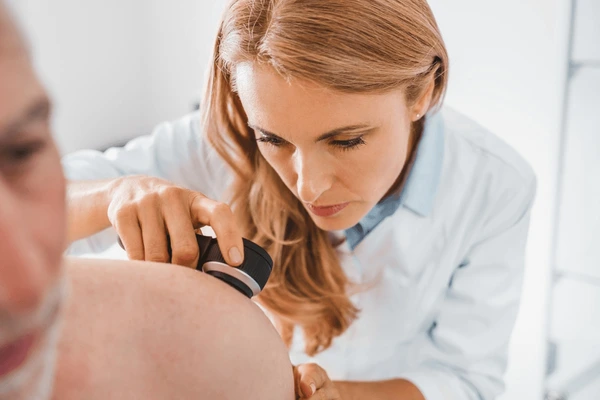
Edmonton clinics combine technology with traditional skin exams for accurate diagnoses. Full-body checks and dermoscopy help identify unusual marks and suspicious moles.

Experienced professionals visually inspect the skin, using dermoscopy for detailed examinations. This approach aids in detecting cancer, infections, and other conditions.

Edmonton benefits from ongoing research and new methods, including deep learning and machine learning technologies that analyze images for subtle differences, enhancing skin disease identification.

Importance of Regular Skin Checks in Edmonton

Given Edmonton’s exposure to sun and outdoor activities, residents are encouraged to undergo routine skin examinations, particularly if they notice any new or changing spots, persistent rashes, or skin irritation. Early detection programs and accessibility to dermatologists in the city help in managing diseases at an early stage, preventing progression, and minimizing health complications.

Takeaway

In Edmonton, skin health is regarded as a vital component of overall well-being. It serves as a mirror for internal diseases, offering visible clues that enable healthcare professionals to detect and treat a wide range of conditions early. Through a combination of expert medical care, advanced diagnostic technology, and patient awareness, Edmonton is well-equipped to use the dermis as a window into systemic health, ensuring better outcomes for its community. Regular skin checks, attention to skin changes, and professional guidance remain crucial in maintaining both skin and general health in this city.

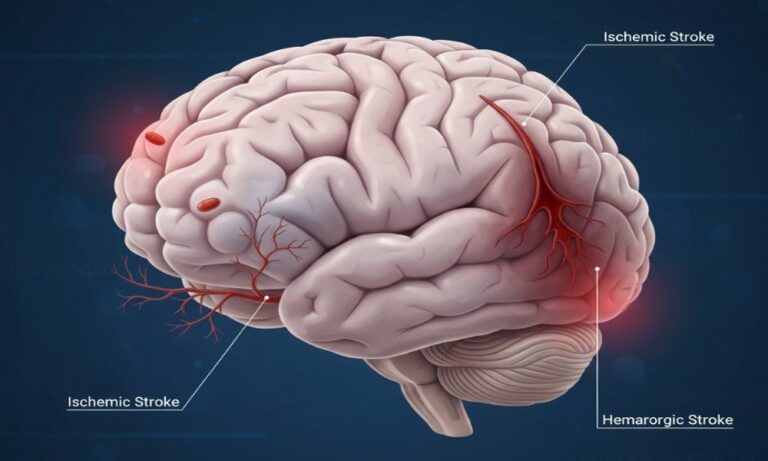
“Maria from Germany Improved Mobility After Brain Stroke Paralysis Stem Cell Treatment in India”

Maria’s Journey: From Paralysis to Progress – A Triumph Over Brain Stroke with Stem Cell Treatment in India

Brain Stroke treatment in Germany with Stem cell

Maria was a school teacher from Germany. She lived a disciplined and active life. As a devoted mother she balanced work and home. One sudden morning her life changed. She suffered a severe brain stroke. This event led to partial paralysis. Her right side became weak and unresponsive. Speech became slow and strained. The diagnosis confirmed brain stroke paralysis. Doctors advised immediate rehabilitation and medication.

So now her days felt uncertain. Simple tasks became overwhelming challenges. Walking required assistance and strong determination. Sometimes she felt emotionally shattered. The once independent woman needed constant support from family members. As months passed her recovery remained limited. Conventional therapies showed only gradual response. This prolonged immobility affected her confidence deeply. She longed to regain dignity. The hope for better treatment guided her search toward advanced options in India.

The Medical Journey

Maria learned about stem cell therapy. She explored possibilities with careful research. The promise of regenerative science inspired hope. After consultations she chose treatment in India. She travelled with cautious optimism. At Stem Cell Cure India she received detailed evaluation and guidance. The medical team assessed neurological damage carefully. They explained the structured treatment process clearly.

This programme aimed at cellular repair. Stem cells were administered with precision. The procedure followed established medical protocols. So the therapy focused on neural regeneration. Maria remained under continuous observation. Rehabilitation sessions were integrated systematically. Sometimes progress felt subtle yet meaningful. Gradually muscle tone showed improvement. The stiffness reduced with time. As weeks advanced controlled movements became visible in her affected limbs.

Signs of Renewed Strength

The early changes encouraged her deeply. She noticed improved hand coordination. Walking exercises became less exhausting. This gradual progress restored motivation. Speech clarity also improved steadily. Family members observed her brighter expressions. So confidence slowly returned to her life. The therapy strengthened neural connections progressively.

Maria could now stand independently. She practised daily exercises diligently. Sometimes fatigue appeared but hope prevailed. The rehabilitation team monitored every milestone carefully. As strength increased her posture improved. Fine motor skills showed positive response. This transformation felt extraordinary to her. The despair of paralysis diminished slowly. She embraced renewed determination.

Success Story Stem Cell Treatment in India

Maria’s mobility improved remarkably. She regained functional independence gradually. This achievement marked a turning point. So, daily routines became manageable again. She resumed light household activities confidently. Her emotional resilience strengthened significantly. Sometimes she reflected upon her journey with gratitude.

At Stem Cell Cure India she found comprehensive care and compassionate guidance. The structured therapy supported neurological healing. As months passed she walked with minimal support. Her hand movements became coordinated and purposeful. This recovery symbolised medical advancement and perseverance. Maria now advocates awareness about innovative treatments. She shares her experience to inspire others. So her story stands as a beacon of hope for brain stroke paralysis patients worldwide.

Nestled against the backdrop of the Canadian Rockies, Calgary is renowned for its stunning vistas, dynamic community, and active lifestyle. Residents within this vibrant city enjoy a close connection to nature, with countless opportunities to engage in physical pursuits, from hiking and rock climbing to marathon running and skiing.

However, the secret behind their physical accomplishments is not purely physical strength; mental endurance plays a pivotal role in achieving these feats. Calgarians have mastered the balance of physical and mental preparation, proving that a strong mindset is just as critical as physical conditioning.

Understanding Mental Endurance

Mental endurance is the capacity to stay disciplined, focused, and resilient, even when faced with difficult or prolonged challenges. Whether climbing a steep mountain trail or pushing through the final miles of a marathon, mental determination keeps individuals moving forward.

Calgarians understand that physical strength may waver, but mental stamina can provide the fortitude to overcome fatigue, discomfort, and doubt. Building this endurance takes practice, but with consistent effort, it can enhance both performance and personal satisfaction in physical feats.

The Role of Visualization and Mindfulness

For Calgary residents, visualization is a powerful tool for developing mental endurance. Before tackling challenging physical goals, many take the time to mentally map out their accomplishments. For instance, a climber might mentally rehearse scaling the peaks of Mount Yamnuska, envisioning each movement with precision and confidence. Such mental preparation creates a sense of familiarity, reducing anxiety when faced with the real challenge.

Mindfulness also plays a significant role. Whether meditating to calm their minds or practicing focused breathing while jogging, Calgarians use mindfulness to stay present and manage stress. Mindful moments can draw attention away from physical discomfort, allowing athletes to focus on their environment or the rhythm of their movement.

How to Build Resilience in Daily Life?

Mental toughness isn’t developed overnight, and Calgary’s culture of resilience extends beyond physical performance. Residents often create opportunities to practice resilience in their daily lives, whether juggling work commitments, braving unpredictable weather, or participating in community-building events. These experiences foster a mindset of adaptability and strength, which transfers seamlessly to physical pursuits.

The city’s outdoor lifestyle also contributes significantly. Spending time in nature has been proven to reduce stress, improve focus, and boost mood. Calgarians often take advantage of nearby parks, trails, and mountains not just for physical exercise but also for mental rejuvenation. This connection with the outdoors forms the foundation for mental clarity and emotional balance.

How to Train the Mind and the Body as One?

Calgary’s active community understands the connection between body and mind. Physical exercise itself is a stress-reliever, but it also strengthens mental resilience. Whether training for the Calgary Marathon or participating in free outdoor fitness classes, residents incorporate both physical and cognitive challenges into their routines. Setting smaller goals, tracking progress, and celebrating incremental wins build motivation and a sense of accomplishment.

Calgarians also emphasize the importance of recovery. Moments of self-care, be it yoga, journaling, or simply admiring a scenic sunset over Prince’s Island, foster mental well-being, which is crucial for sustaining long-term physical goals. Recovery isn’t just about muscles; it’s about recharging the mind to face new hurdles with fresh determination.

Conclusion

By recognizing the interplay between the mind and the body, Calgary residents demonstrate a well-rounded approach to tackling physical feats. With a focused mindset, deliberate preparation, and an emphasis on balance, they have set an inspiring example of how mental endurance can enhance every aspect of life, on and off the trail.

Living in Calgary, a city known for its vibrant energy and close proximity to nature, comes with unique challenges and pressures. From managing the hustle of urban life to staying connected with the stunning wilderness, finding balance is key. But when it comes to personal growth and mental well-being, which is more crucial-cultivating a clear headspace or building a strong mindset? Both are essential, yet they address different aspects of our mental health and resilience.

Let’s explore.

The Case for a Clear Headspace

A clear headspace refers to a calm and uncluttered mind, where thoughts flow freely without overwhelming stress or distractions. For many Calgarians, the fast-paced rhythm of city life can lead to mental fog and chronic fatigue. Whether it’s juggling career responsibilities, family obligations, or just dealing with unpredictable weather, the need for moments of mental clarity is paramount.

One way to cultivate a clear headspace is by engaging with Calgary’s abundant natural resources. Activities such as a leisurely walk along the Bow River, hiking in the Rocky Mountains, or even spending time in one of the city’s many green spaces can help to reset the mind. Mindfulness and meditation practices are also gaining popularity among residents, as they provide a break from mental noise, enhancing focus and reducing feelings of anxiety.

Having a clear headspace is particularly beneficial for making decisions and fostering creativity, both vital components for thriving in a dynamic city like Calgary. With a calm mind, individuals can process information more effectively, prioritize tasks, and approach daily challenges with composure.

The Power of a Strong Mindset

On the other hand, a strong mindset is all about resilience and determination. It enables individuals to persevere through difficulties, adapt to change, and overcome obstacles, no matter how daunting. Calgary’s thriving entrepreneurial scene, unpredictable economy, and diverse population require a degree of mental toughness to succeed.

Developing a strong mindset often involves creating habits that promote growth. Whether it’s setting and achieving long-term goals or shifting one’s perspective in the face of adversity, a strong mindset is built on self-discipline and positive thinking. For example, many Calgarians embody the “work hard, play hard” ethos when striving to balance professional achievements with adventurous leisure activities in the surrounding landscapes.

A strong mindset doesn’t just benefit individuals; it also strengthens communities. Encouraging mutual support and collaboration among neighbors fosters a collective ability to rebound from hardships, an essential characteristic in any metropolitan area.

Clear Headspace vs. Strong Mindset – Do We Have to Choose?

The truth is, Calgarians don’t have to choose between a clear headspace and a strong mindset-they complement one another. A clear headspace provides the foundation for building mental strength, while a strong mindset helps maintain clarity amid challenges. Both are necessary for navigating the complexities of modern life with grace and confidence.

To achieve this balance, it’s important to prioritize self-care. Taking time to unwind and clear your mind through outdoor activities, creating routines that promote mental clarity, and seeking support when needed are all steps toward wellness. At the same time, setting goals, staying focused, and maintaining an optimistic outlook help foster inner strength.

Conclusion

Whether it’s the need for peace of mind or the drive to be resilient, Calgarians can benefit from focusing on both a clear headspace and a strong mindset. These qualities work hand-in-hand to empower individuals to meet challenges head-on, find joy in the everyday, and thrive in a city that beautifully blends urban life with natural wonder. By integrating these mental practices, Calgarians can unlock their full potential and enjoy a fulfilling, balanced life.

Hormones play a critical role in the health and appearance of your skin. These chemical messengers regulate various processes in your body, including those that affect your largest organ, the skin. From puberty to menopause and beyond, hormonal fluctuations can result in noticeable changes, both positive and negative. To understand how hormones impact your skin and how to manage potential skin concerns, a Vancouver dermatologist provides key insights.

The Role of Hormones in Skin Health

Hormones such as estrogen, progesterone, testosterone, cortisol, and insulin significantly influence your skin’s condition. For example, estrogen, often called the “youth hormone,” contributes to skin elasticity and hydration. When estrogen levels are high, such as during pregnancy, skin often appears radiant and firm. Conversely, declining estrogen levels during menopause can lead to drier, thinner, and more fragile skin.

Testosterone, while commonly associated with male physiology, is also present in women and has a potent impact on the skin. When the body produces excessive androgens-male hormones like testosterone-sebaceous glands in the skin go into overdrive, leading to oily skin and acne breakouts. This phenomenon is particularly noticeable during puberty and can continue into adulthood for some individuals.

Skin Conditions Linked to Hormonal Changes

Acne

Hormonal acne is one of the most common skin concerns tied to hormonal changes. It typically occurs on the lower face, jawline, and chin and is often linked to fluctuations in androgens during puberty, menstrual cycles, or conditions like polycystic ovary syndrome (PCOS). Hormonal acne can manifest as deep, painful cysts that may leave scars if untreated.

Melasma

Also known as “the mask of pregnancy,” melasma appears as dark patches on the skin, particularly on the face. Hormonal changes during pregnancy, combined with sun exposure, often trigger this hyperpigmentation issue. Birth control pills and hormone replacement therapy (HRT) can also play a role in melasma’s development.

Eczema and Psoriasis

Conditions like eczema and psoriasis can be exacerbated by hormonal changes. For example, pregnancy and menstrual cycle shifts may worsen flare-ups in individuals prone to these inflammatory disorders.

Skin Aging

Hormonal shifts during menopause can accelerate the aging process. Reduced estrogen levels result in collagen loss, decreased elasticity, and dryness, all of which contribute to wrinkles and sagging skin.

How to Manage Skin Health Amid Hormonal Fluctuations?

While hormonal changes are inevitable, you can take proactive steps to manage their effects on your skin. A dermatologist may recommend tailored treatments and lifestyle adjustments to minimize hormonal skin concerns.

Here are some effective strategies:

Use the Right Skincare Products

Incorporate dermatologist-recommended products that address hormonal skin issues. For acne-prone skin, opt for salicylic acid, benzoyl peroxide, or retinoids. For aging or dry skin, look for products with hydrating ingredients like hyaluronic acid and ceramides.

Maintain a Balanced Diet

Hormonal imbalances can sometimes be moderated by a nutritious diet. Foods rich in omega-3 fatty acids, antioxidants, and vitamins can contribute to healthier skin. Additionally, reducing your intake of sugar and processed foods may help control insulin levels and reduce acne flare-ups.

Manage Stress Levels

Stress increases cortisol production, which can negatively affect skin by triggering inflammation or exacerbating acne. Incorporating stress-reducing activities such as yoga, meditation, or regular exercise can support overall hormonal health.

Consult a Dermatologist

A professional can evaluate your skin type, hormonal patterns, and medical history to create a personalized treatment plan. Options like hormonal therapy, prescription-strength skincare, or in-office treatments like chemical peels or laser therapy might be recommended to achieve optimal results.

Conclusion

Your skin is a mirror of what’s happening inside your body, particularly when it comes to hormones. Understanding the connection between hormonal changes and skin health is crucial for managing common concerns like acne, melasma, and aging. By adopting proper skincare habits, maintaining a healthy lifestyle, and seeking advice from a qualified dermatologist, you can work to keep your skin clear, vibrant, and resilient, no matter what life stage you are in.

If you’re noticing persistent skin issues or are unsure how hormonal changes may be affecting you, consider consulting with a trusted Vancouver dermatologist. Their expertise can guide you toward effective solutions to achieve glowing, healthy skin.