
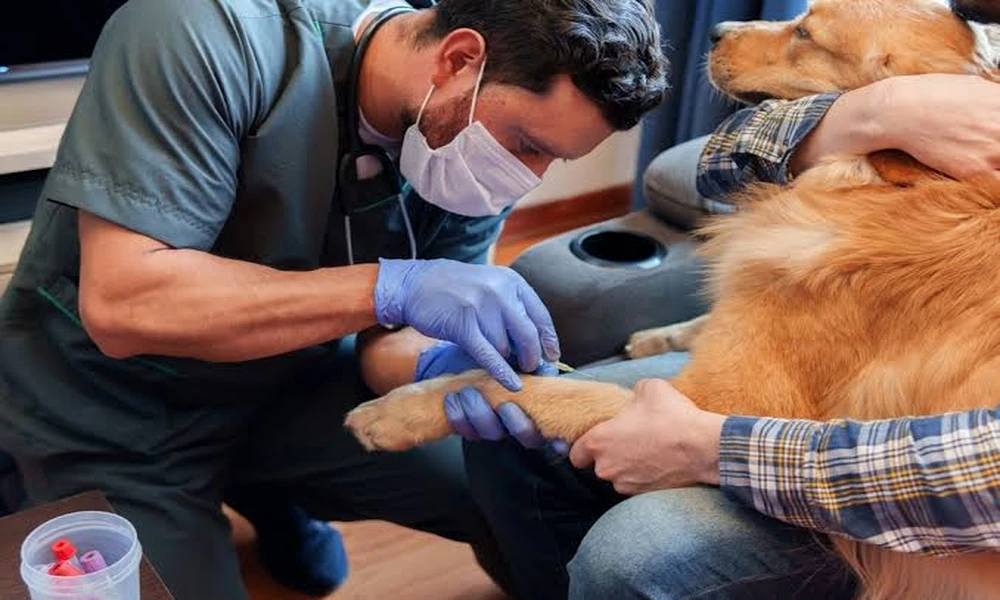
You are probably looking at a pet who needs care, trying to stay calm, and wondering why one house call quote looks reasonable while another feels steep. That stress is real. When your dog is limping, your cat shuts down in a carrier, or an older pet struggles with travel, the idea of care at home can feel like a relief and a financial question at the same time. If you are searching for a Houston mobile veterinarian, you are likely trying to balance comfort, convenience, and cost.
6 Questions To Ask About Mobile Veterinary Appointment Fees starts with one simple truth. A mobile visit is not priced the same way as a clinic visit because the service itself is different. You are paying for medical care, travel time, equipment brought to your home, and the convenience of avoiding a stressful trip. The right questions help you see what is included, what is extra, and whether the price fits your pet’s needs.
Mobile veterinary appointment fees often include more than the exam itself
The first question to ask is what the base fee covers. Many people hear one number and assume it includes the full visit, then feel blindsided when lab work, medications, nail trims, vaccines, or after hours care appear as separate charges. That frustration usually comes from a mismatch between expectation and billing, not from the idea of mobile care itself.
A house call veterinarian may charge a trip fee, an exam fee, or a combined appointment fee. Some include a basic physical exam and travel within a certain radius. Others bill travel separately. If your pet needs ear cytology, bloodwork, or fluids, those services are often added on. Ask for a plain language breakdown before the appointment starts.
If you want context for why these services exist and why families choose them, this overview of house call vets explains the comfort and access they can provide, especially for anxious pets, seniors, and multi pet households.
Travel charges can change the total cost of a mobile vet visit
The second question is whether distance affects the fee. This is where many estimates shift. A mobile veterinarian has fuel costs, drive time, scheduling limits, and a service area to manage. If you live farther out, the fee may rise. If your home is within a routine route, the price may be lower than you expect.
You do not need to argue about whether travel should cost more. You just need a clear answer. Ask whether the quote includes mileage, whether there is a zone based fee, and whether the timing of your appointment changes the price. A midday weekday slot may cost less than an urgent evening visit.
This is one reason mobile vet fees can look inconsistent online. Two people may both book a home visit, but one lives ten minutes away and the other is at the edge of the service area.
Extra services and urgent care often drive the biggest price differences
The third and fourth questions are what happens if your pet needs more than a routine exam, and what counts as urgent care. A pet can seem stable when you book the appointment, then need diagnostics or treatment once the veterinarian arrives. That is common. It does not mean anyone did anything wrong.
If your dog has vomiting, your cat is hiding and not eating, or your senior pet has sudden pain, ask what services can be done in the home and which ones require referral to a clinic. Mobile practices vary. Some can perform exams, vaccines, blood draws, hospice support, and minor treatments. Others are set up for wellness and comfort focused care only.
You should also ask whether emergency or same day requests carry higher rates. They often do. That fee may reflect rearranged schedules, added staff coordination, or limited after hours availability. A clear answer upfront protects you from that sinking feeling when the invoice arrives.
Payment policies reveal the real cost of a mobile veterinarian service
The fifth question is how and when payment is due. Some mobile practices require a deposit to reserve the visit. Some charge cancellation fees because travel time cannot be recovered if a client backs out at the last minute. Some accept pet insurance reimbursement paperwork, while others expect full payment at the visit.
This matters more than people think. A lower quote with a strict cancellation policy may cost more in real life if your work schedule changes or your pet needs to go to an emergency clinic before the house call happens. Ask for the policy in writing. If a practice is transparent, that is usually a good sign.
If you want to verify standards and find professional resources, the American Veterinary Medical Association resources can help you understand the broader veterinary landscape.
Comparing clinic care and mobile veterinary fees helps you choose wisely
The sixth question is whether mobile care is the right value for your situation. Cheapest is not always best, and highest priced is not always better. If your pet gets frantic in a car, refuses to leave under the bed, or has mobility issues, in home care may save stress for both of you. If your pet needs imaging, surgery, or intensive monitoring, a clinic may be the better fit.
| Factor | Mobile Veterinary Visit | Traditional Clinic Visit |
|---|---|---|
| Travel and convenience | Vet comes to your home, often with a travel fee | You handle transport, usually no travel fee from the clinic |
| Pet stress level | Often lower for anxious, senior, or fearful pets | Can be harder for pets that dislike carriers, cars, or waiting rooms |
| Available services | Varies by practice, usually strong for exams, wellness, some diagnostics, comfort care | Usually broader access to imaging, surgery, and inpatient treatment |
| Fee structure | May include exam fee, home visit fee, distance fee, and add on services | Usually exam fee plus diagnostics and treatment |
| Best fit | Routine care, quality of life visits, mobility issues, low stress handling | Complex illness, emergencies, procedures needing full facility support |
This is where many families land. house call veterinary costs can be worth it when the visit itself removes a major barrier to care.
Clear questions make mobile pet care costs easier to manage
Ask for an itemized estimate. Get the visit fee, travel charge, exam fee, and likely add ons in writing. If your pet may need vaccines, lab work, or medication refills, ask for those ranges too.
Describe your pet’s condition honestly. If you minimize symptoms to keep the quote low, you may end up with a very different bill. Tell the office if your pet is painful, aggressive, weak, vomiting, or having trouble breathing. That helps them guide you to the right level of care.
Compare value, not just price. Look at what the service prevents. A calmer pet, less missed work, no struggle getting a large dog into the car, and more time with the veterinarian in your home all matter. So does knowing when a clinic visit is the smarter choice. That is how you judge mobile veterinary service pricing fairly.
You do not need to guess your way through this. Ask direct questions, get the numbers in writing, and choose the option that fits your pet’s health and your budget. Good mobile veterinary care should feel clear before it feels convenient.
