

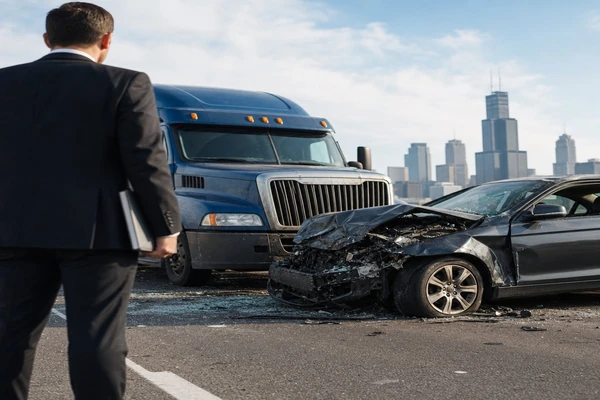
A single moment behind the wheel of a commercial truck can turn an uneventful day into one filled with medical visits, lost wages, a damaged car, and constant phone calls from insurance agents. It’s important to understand how claims arising from truck crashes are different from other types of accidents.
The Complexity of Truck Accident Claims
Multiple parties might be liable after a truck accident, making it more complicated than a standard fender-bender. There may be a truck driver to hold accountable, as well as the trucking company, the company that loaded the cargo, the company that performed maintenance on the truck, or the manufacturer of the truck.
There are also extensive regulations for the operation and maintenance of large trucks. As such, there may be relevant records to review, including logs, inspection reports, maintenance records, employment records, and onboard data. You might need a subpoena to access some of those documents.
A Chicago truck accident lawyer can untangle all the separate threads, determine who might be liable, and gather evidence in support of your claim. This is especially important when multiple insurance companies are involved and trying to pass off responsibility.
Evidence Can Help Prove Liability
Evidence in truck crash cases can vanish quickly, which is why it’s important to preserve it as soon as possible. Trucks may be repaired, computers may overwrite data, and witnesses’ memories can fade. It helps to document the crash scene as soon as you can.
Here are some examples of evidence that may prove helpful:
- Photos or videos of the crash scene
- Police or accident reports
- Witnesses’ names and phone numbers
- Medical records and bills
- Driver qualifications and hours-of-service records
- Truck inspections and maintenance records
- Cargo loading documents
- Electronic data logs and onboard data
If a case needs specialized knowledge, an attorney can bring in expert witnesses, such as a crash reconstructionist. A reconstructionist can help determine the speed of the vehicles, how the drivers reacted, the condition of the road, and damage to the vehicles.
Determining the Value of a Truck Accident Claim
The value of your truck accident claim depends on the damages you suffer due to the accident. Medical bills might be the most significant cost, but they aren’t the only ones.
You may be entitled to recover for the cost of current and future medical treatment, rehabilitation, lost wages, loss of earning potential, damage to your car, and physical and emotional pain and suffering. If your injuries are severe, they may also affect your independence, your ability to care for yourself or others, or your ability to enjoy life’s simple pleasures.
Calculating damages involves more than simply adding up the outstanding bills. You need to think about the future before you settle a claim, especially if you’re still healing from your injuries or if they’re likely to cause permanent impairment.
Communicating With Insurance Companies
The insurance company will probably ask you to give a recorded statement, release your medical records, and settle your claim. All of these requests are standard, but the information you give could be used against you.
An attorney can serve as your point of contact with the insurance company, review any documents that are presented to you, and determine if the settlement amount is reasonable. A lawyer can also protect you from having to make any major decisions before you finish your treatment.
Try to avoid speculating about who was at fault and don’t discuss your injuries on social media. Keep copies of all records related to the crash.
Hiring a Lawyer to Represent You
Before signing up with a truck accident attorney, you’ll want to ask about their experience with these types of cases, how they communicate with clients, what their fee arrangement is, and how the claims process works. A good attorney should be able to answer your questions clearly and realistically.
The best attorney will conduct their own investigation, lay out your options for you, and fight for the compensation you deserve.
The timing of an incident may have an impact on your legal rights. Illinois law typically gives you two years to bring a personal injury lawsuit, but shorter time limits or other exceptions may exist in some cases, especially if a government vehicle is involved.
Illinois law also uses a modified comparative negligence rule. This means that if you are partly at fault for the collision, your damages may be reduced by your degree of fault. You will not be able to recover anything if you are found to be over 50% at fault.
Health insurance, public benefits and workers’ compensation may initially cover your medical bills, but those payers may later claim reimbursement from a settlement.
Determining the validity of any liens and negotiating them can help you avoid being surprised by a large deduction from your settlement and provide you with an idea of how much you will be receiving.
What to Do After a Truck Crash
Get medical treatment right away, and document everything related to the crash. An attorney can help you preserve evidence, talk to insurance companies, and figure out who might be responsible for your injuries. Taking these steps can help you maximize your compensation.

Comments are closed.