
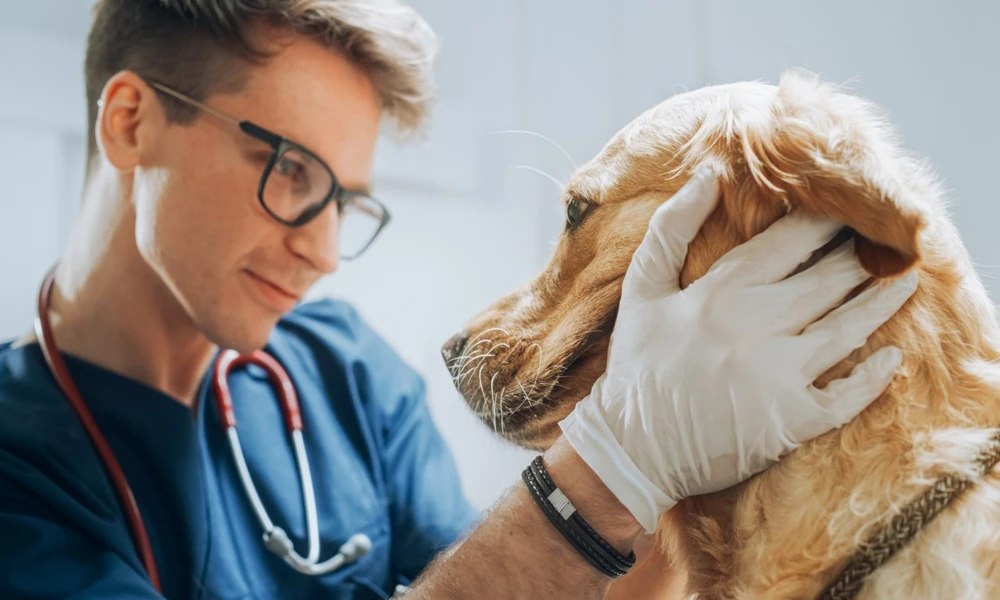
You bring your pet in because something feels off, and your Austin veterinarian is there to help. Maybe it is an ear infection that keeps coming back, a wound that looks angry, or a cough that started small and now has you watching every breath. In that moment, it is easy to hope for a quick fix. Many people assume antibiotics are the safest next step because they have helped before. That instinct makes sense, but it can also create bigger problems for your pet, for other animals, and for people.
Why responsible antibiotic use matters in everyday veterinary care comes down to one simple truth. Antibiotics save lives when they are used the right way, and they lose power when they are used when they are not needed, chosen poorly, or stopped too soon. Good veterinary care is not about giving the strongest medicine fastest. It is about finding the right treatment for the right problem at the right time.
Judicious antibiotic use protects your pet from avoidable harm
Not every infection needs an antibiotic. Some conditions are caused by viruses, allergies, inflammation, parasites, or injuries that need a different plan. If your dog has diarrhea after getting into the trash, or your cat has itchy skin from fleas, an antibiotic may do nothing for the real cause. It may even add side effects like vomiting, appetite loss, or disruption of healthy bacteria.
This is where careful decision making matters. A general veterinarian looks at the full picture, your pet’s symptoms, exam findings, medical history, and sometimes lab results, before writing a prescription. That may feel slower when you are worried, but it is often the safer path. Responsible antibiotic use in veterinary medicine means treating infection with evidence instead of guesswork.
The larger concern is antimicrobial resistance. Bacteria change over time. The more often they are exposed to antibiotics, especially when those drugs are unnecessary or used incorrectly, the more likely some bacteria are to survive and adapt. Those tougher bacteria can become harder to treat later. The FDA explains antimicrobial resistance in animals as a shared health issue that affects both animals and people.
You may not see that risk right away. What you see is a pet who seems better after a few doses, then gets sick again a month later. Or a skin infection that no longer responds to the same medication that worked last year. Or a post-surgery infection that needs stronger drugs, more testing, and more visits. That is where everyday choices start to matter a lot.
Everyday veterinary care depends on accurate diagnosis, not automatic antibiotics
Plenty of common problems look like infections when they are not. Red skin can come from allergies. Sneezing can come from irritation or a virus. Pain with urination can come from bladder stones, stress, or inflammation. If antibiotics are given automatically, the real issue may keep getting worse while everyone waits for a result that never comes.
Judicious prescribing often includes tests that feel small but change everything. A urine culture can show whether bacteria are present and which antibiotic will work. A skin cytology can show yeast instead of bacteria. A wound sample can reveal resistant organisms that need a different plan. The CDC guidance for veterinarians on preventing antimicrobial resistance supports this approach because better diagnosis leads to better treatment and less unnecessary drug use.
There is also the issue of unfinished prescriptions. You may have seen your pet perk up after a few days and wondered if the rest is really needed. Stopping early can leave behind the hardiest bacteria. Saving leftover pills for the next problem creates another risk, because the next problem may be a different disease entirely. That old medication can muddy the picture and delay proper care.
Practical choices in antibiotic stewardship make treatment safer and more effective
Antibiotic stewardship in veterinary care is not a fancy phrase for doing less. It means using antibiotics in a way that protects their ability to work. Cornell’s veterinary resources on antimicrobial stewardship and judicious use focus on exactly that, choosing treatment thoughtfully, reviewing whether it is still needed, and avoiding broad use when a narrower option fits better.
| Approach | Short Term Result | Long Term Risk |
|---|---|---|
| Giving antibiotics without confirming infection | May seem proactive and reassuring | Missed diagnosis, side effects, resistant bacteria |
| Using culture or targeted testing first | May take more time upfront | Better drug choice, fewer repeat infections, less resistance |
| Stopping medication early when the pet seems better | Fewer doses given | Relapse and survival of harder to kill bacteria |
| Following the full treatment plan and recheck advice | More effort now | Better recovery and more reliable future treatment options |
This matters in routine care, not only in emergencies. Ear infections, dental disease, urinary problems, skin conditions, and post-operative recovery all raise the same question. Does this pet need an antibiotic, and if so, which one, at what dose, and for how long? A good answer protects your pet today and lowers trouble tomorrow.
Three steps you can take right away during general veterinarian visits
Ask what problem the antibiotic is treating. You do not need to challenge your veterinarian to ask clear questions. Ask whether the issue is bacterial, whether testing is needed, and what signs should improve. That conversation helps you understand the plan and spot problems early.
Give the medication exactly as prescribed. Timing, dose, and duration matter. If your pet spits out pills, has diarrhea, or seems worse, call the clinic instead of adjusting the plan on your own. Small changes at home can change whether treatment works.
Do not use leftover antibiotics or someone else’s medication. Different infections need different drugs, and some medications are unsafe for certain species. What helped one dog months ago can be useless or harmful for your cat now. This is one of the simplest ways to support responsible antibiotic use.
Careful antibiotic decisions strengthen everyday pet health
You want relief for your pet, and you want it fast. That is reasonable. The safest care is not always the fastest prescription. It is the one based on a real diagnosis, a thoughtful treatment plan, and follow through at home. When antibiotics are used carefully, they keep doing the job they were meant to do.
If your pet is dealing with an infection, recurring symptoms, or a condition that does not seem to improve, schedule a visit with a general veterinarian and ask for a treatment plan built on evidence, not habit.
