
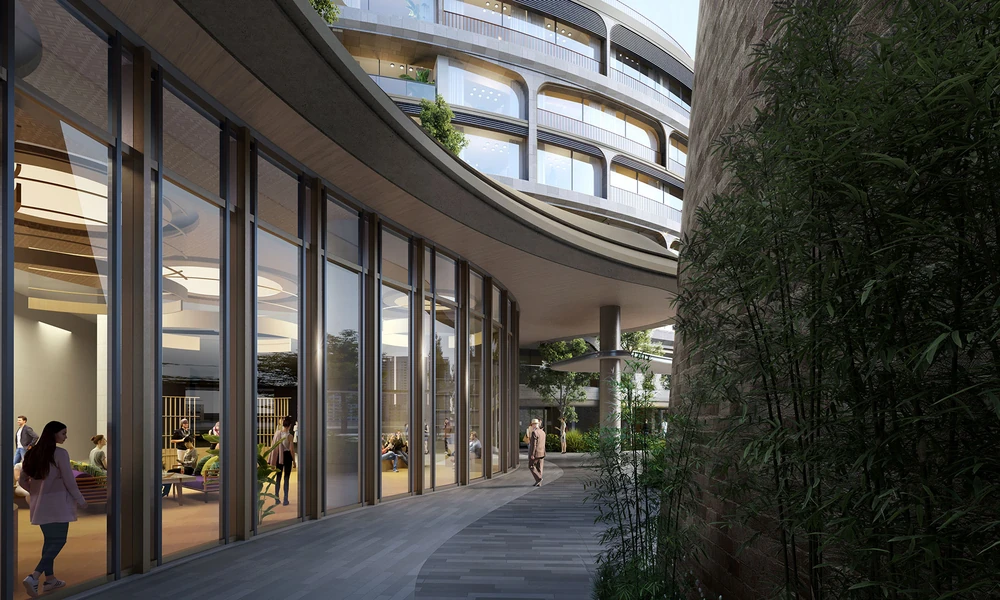
City skylines are transforming at a dizzying pace, and nowhere is this more visible than in the evolution of residential condominiums and seniors residences. From Montreal to Toronto, these living spaces are adapting to new demands, changing lifestyles, and an aging population.
What Are the Current Trends in Residential Condominiums?
The silhouette of urban living is being redrawn. Once dominated by utilitarian high-rises, condo projects are now racing to differentiate themselves with thoughtful design, integrated amenities, and bold sustainability goals.
How Are Design Priorities Shifting for Urban Living?
Today’s buyers expect more than a box in the sky. Architects are responding with layouts that maximize natural light, flexible floor plans for home offices, and generous communal spaces. Rooftop terraces, dog-washing stations, and co-working lounges are replacing drab lobbies and unused party rooms. The result? Buildings that feel like bespoke communities, not just places to sleep.
What Role Does Sustainability Play in New Developments?
Green roofs, energy-efficient HVAC systems, and recycled materials are becoming standard rather than exceptional. In cities with aggressive climate targets, like Montreal and Toronto, LEED certification is considered a baseline. Developers are also focusing on water conservation and on-site stormwater management, anticipating regulatory changes and eco-conscious buyers alike.
How Is Technology Enhancing Condominium Living?
Smart home tech has moved well beyond luxury. Touchless entry, app-based guest management, and real-time package notifications are increasingly common. Even elevator systems are being optimized for efficiency and safety. As residents demand more comfort and security, buildings are integrating these solutions from the ground up.
Why Are Seniors Residences Evolving Rapidly?
The silver tsunami of aging baby boomers is forcing a reimagining of seniors housing. No longer content with institutional settings, today’s seniors, and their families, want vibrant, engaging communities.
What New Amenities and Services Are Seniors Expecting?
Gone are the days of bingo and bland cafeterias. Modern seniors residences feature wellness centers, art studios, chef-driven dining options, and even rooftop gardens. Social coordinators curate daily activities that foster connection and learning, while on-demand health services add security without sacrificing independence.
How Are Architecture and Design Addressing Accessibility?
Designers now prioritize universal accessibility from the outset: wider corridors and doorways, barrier-free showers, and adaptive lighting. Technology also plays a role, with fall sensors, telehealth stations, and easy-to-navigate layouts. These small tweaks make a massive difference in daily comfort and dignity.
What Impact Does Aging-in-Place Philosophy Have on Residences?
The aging-in-place movement encourages seniors to stay in their chosen communities for as long as possible. Flexible layouts, in-suite medical hookups, and on-site care support this, while also reducing the move-in-move-out churn that makes some facilities feel transient.
How Do Location and Community Influence Both Residences?
Choosing where to live is more than picking an address. Both condo-dwellers and seniors are placing higher value on walkable neighborhoods and social engagement.
Which Neighborhood Features Attract Residents Today?
Proximity to transit, green spaces, and retail shops tops the wish list. Safety, sense of community, and easy access to cultural attractions are equally influential. In both Montreal and Toronto, developers look for sites that blend urban convenience with a neighborhood vibe.
How Are Mixed-Use Developments Shaping Resident Experience?
Mixed-use buildings, combining residential, retail, and office spaces, are rewriting the rules. Residents can access healthcare clinics, cafés, and grocery stores without ever leaving the block. This layered approach brings new vibrancy to urban cores and supports aging in place for seniors.
What Challenges Are Architects Facing When Designing These Spaces?
As expectations rise, so do the complexities.
How Do Regulations Affect Design and Functionality?
Building codes and accessibility laws are becoming stricter. Energy performance standards, fire safety, and universal design guidelines all add layers of regulation. The challenge is to meet these requirements without sacrificing creativity or cost-effectiveness.
What Innovations Are Architects Using to Overcome Space Constraints?
Land is scarce and expensive, especially in core neighborhoods. Architects are deploying clever solutions: convertible rooms, modular walls, and multi-purpose amenities. Vertical gardens and shared outdoor spaces reclaim value from tight footprints, while underground parking structures free up prime real estate for communal use.
How Are Montreal and Toronto Leading in These Residential Trends?
Montreal and Toronto are fertile testing grounds for new ideas. Both cities balance historic charm with a hunger for innovation.
What Unique Regional Factors Influence Design Choices?
Climate considerations, cultural diversity, and municipal policies all shape what gets built. Montreal’s harsh winters drive demand for indoor amenities and robust insulation, while Toronto’s density pushes for ever-smarter land use. Bilingual signage and multicultural programming are hallmarks of projects that resonate with each city’s residents.
Which Notable Projects Exemplify These Trends?
Look to recent developments featuring integrated retail, eco-friendly materials, and inclusive service packages. Firms such as the Stendel + Reich Architecture firm are recognized for their adaptive solutions in both condos and seniors residences, blending aesthetics with function across projects in both cities.
What Does the Future Hold for Condominiums and Seniors Residences?
Demographics and technology are sure to keep architects and developers on their toes.
How Will Demographic Changes Shape Demand?
Both cities anticipate continued growth in single-person households and a rising population of older adults. This dual trend will fuel demand for smaller units, communal spaces, and on-site services catering to various life stages.
What Emerging Technologies Could Transform These Living Spaces?
Expect AI-driven energy management, contactless healthcare delivery, and modular building components to become mainstream. The next wave of change will likely blur the lines between residential towers and wellness-focused communities, ensuring that the city’s buildings grow as gracefully as their residents.
