
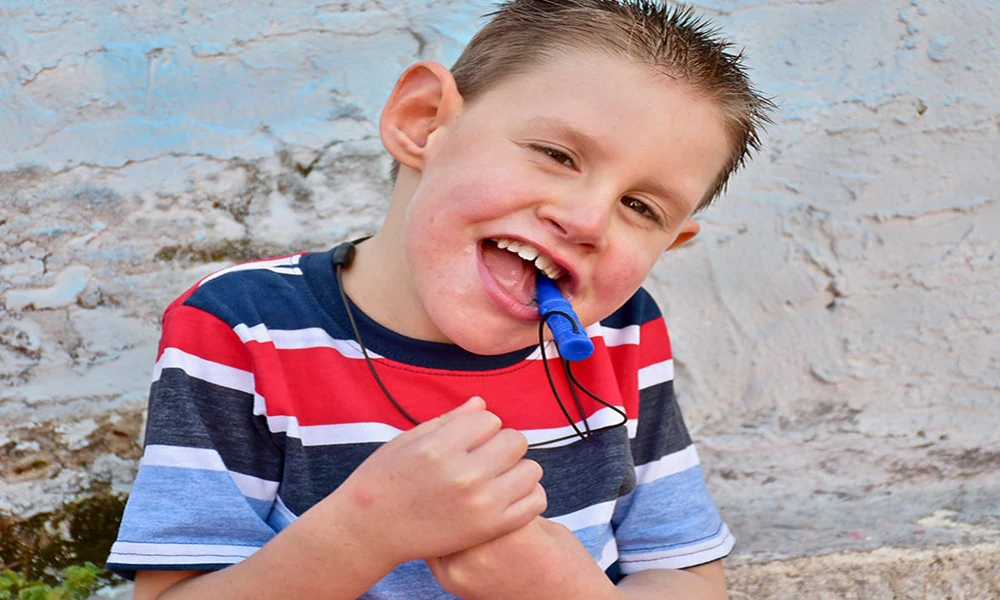
You notice the chewed pencil erasers, the shirt collars stretched out from biting, the toy corners that always end up in your child’s mouth. Then you see a rough spot on the lip, a sore patch inside the cheek, or skin on the fingers that looks thick and irritated. It is easy to wonder if this is just a phase or something that needs attention right away. That worry makes sense. At Children’s Dental FunZone in Oxnard, CA, families often have these same concerns. When a child keeps chewing on objects, the habit can leave behind calluses, red spots, cracked skin, and mouth irritation, and sometimes it points to stress, sensory needs, teething, or simple repetition that has become hard to stop.
Most of the time, object chewing in children is not a sign of anything severe on its own. Many kids chew when they are tired, bored, anxious, or trying to calm themselves. Some do it because the pressure feels good. Some are replacing thumb sucking or another common self-soothing habit. Common childhood habits often fade with time, but the skin and soft tissues can still take a beating while the habit is active.
Chewing on objects can cause repeated friction and pressure
Calluses form because the body tries to protect itself. If a child keeps rubbing or pressing the same area, the skin responds by getting thicker. That can happen on fingers, knuckles, lips, or the edge of the mouth. Inside the mouth, the tissue does not form a classic callus the same way skin does, but it can become irritated, swollen, or rough from repeated chewing.
This is why calluses from chewing on objects in children often show up in places you might not expect. A child who chews sleeves may develop chapped, raw skin around the mouth. A child who bites on fingers may get thickened skin near the nails. A child who gnaws on hard toys or bottle caps may end up with sore gums, lip irritation, or small mouth injuries.
The habit can seem harmless until it starts interfering with daily life. Eating may sting. Brushing may hurt. Teachers may notice the chewing before parents do, especially if it happens most during schoolwork or transitions. If the object is dirty, there is also a higher chance of germs getting into irritated skin or small cuts. Mouth injuries and irritation can worsen when the same area never gets a chance to heal.
Stress, sensory needs, and development can all play a role
Children do not always have the words to say, “I feel keyed up,” or “I need more sensory input.” Chewing becomes the signal. You may notice it increases during homework, bedtime, car rides, or after changes at home. For some children, the action is soothing. For others, it is almost automatic, something they do without realizing it.
Age matters too. Babies and toddlers often chew because of teething or normal oral exploration. Older children may keep chewing because the habit stuck, because they are anxious, or because they like the pressure and texture. A rough patch on the skin can start small and become a cycle. The child chews, the area gets irritated, it feels strange, and they keep touching or chewing it again.
There are times when chewing or skin irritation needs a closer look. If your child has open sores, bleeding, swelling, trouble eating, signs of infection, or keeps chewing nonfood items, it deserves prompt attention. Pica and persistent chewing of nonfood items can sometimes be linked to developmental, behavioral, or nutritional issues, and that is not something to brush off.
Home observation and pediatric dentist care offer different benefits
| Situation | What you can do at home | When a pediatric dentist helps |
|---|---|---|
| Mild lip or finger callus | Track when chewing happens, use fragrance free moisturizer on skin, offer safer chew alternatives if advised | Checks for bite patterns, mouth irritation, and damage to teeth or soft tissue |
| Cheek or lip irritation inside the mouth | Avoid hard or sharp objects, encourage water, watch for healing over a few days | Evaluates sores, friction spots, and whether teeth alignment or habits are adding to the problem |
| Chewing that increases with stress or focus tasks | Notice triggers, build calming routines, talk with school if needed | Rules out oral pain and may suggest next steps with your child’s pediatrician or therapist |
| Broken skin, bleeding, swelling, or tooth wear | Stop access to harmful objects and seek care | Treats injuries and checks for infection, enamel wear, or damage that needs follow up |
The goal is not to shame the habit away. That usually backfires. A child who feels corrected all day may chew more, not less. A better path is to figure out what the chewing is doing for them and reduce the harm while you work on the cause. That is where a pediatric dentist can be useful. Oral irritation, bite marks, tooth wear, and friction spots often tell a clearer story than you can see at home.
Small steps can reduce irritation and protect your child’s mouth
Watch for patterns. Keep a simple note on when the chewing happens, what your child is doing, and what object they use. You may spot a clear link to fatigue, transitions, homework, or anxiety. Once you know the pattern, the habit feels less random and easier to address.
Protect the irritated area. For skin outside the mouth, gentle moisture and less contact help. For mouth irritation, remove hard or dirty objects and offer softer foods if chewing hurts. If the area looks infected, swollen, or does not improve, get it checked. mouth irritation from chewing objects can linger when the source never stops.
Get the right evaluation. If the chewing is frequent, causes sores, affects teeth, or involves nonfood items, schedule care. A child chewing on objects causing skin irritation may need more than habit reminders. A pediatric dentist can examine the mouth, teeth, lips, and cheeks, and help you decide whether this is a simple habit issue or part of a bigger sensory or health concern.
Early attention can prevent a small habit from becoming a bigger problem
You are not overreacting by paying attention to chewing habits, especially when you can already see calluses or irritation. Kids often use chewing to cope, and that deserves understanding, not blame. The good news is that many cases improve once the trigger is identified and the mouth or skin gets a chance to heal.
If your child keeps chewing on objects, develops sores, or shows signs of tooth or mouth damage, schedule a visit with a pediatric dentist. A careful exam can bring relief, protect your child’s oral health, and give you a clearer plan for what comes next.
