
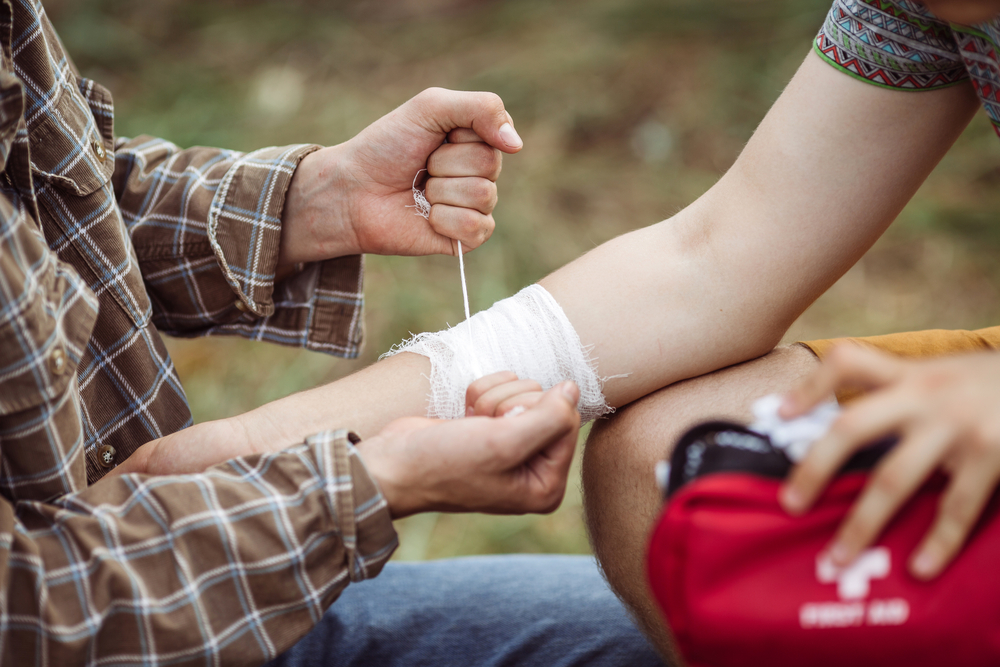
Effectively managing minor injuries requires appropriate first-aid practices to ensure proper and timely healing. However, some common mistakes can unintentionally delay the recovery process, leaving wounds more susceptible to complications like infections. If you’re in Victoria, avoiding these first-aid errors is essential for promoting faster and better healing results.
Here’s a guide to some frequent missteps in wound care and how to address them correctly.
1. Not Cleaning the Wound Properly
One of the most common first-aid errors is failing to clean a wound thoroughly. Dirt, debris, or bacteria trapped in the injured area can lead to infections, which slow down healing. Rinsing the wound with clean, running water immediately is crucial. Avoid using hydrogen peroxide or alcohol to clean the wound, as these can damage healthy tissue and hinder the healing process. Instead, opt for mild soap and water to minimize irritation.
2. Applying Too Much or Too Little Pressure
When dealing with a bleeding wound, finding the right amount of pressure is key. Some people apply insufficient pressure, which prevents the bleeding from stopping, while others use excessive force, potentially causing further tissue damage. Use a clean piece of cloth or sterile gauze to apply gentle, even pressure until the bleeding stops. For deeper wounds, consider seeking medical assistance to evaluate the need for stitches.
3. Using Improper Bandaging Techniques
Another mistake that can delay healing is improper wound bandaging. Using non-sterile materials or failing to change bandages regularly can create a breeding ground for bacteria. Additionally, wrapping a wound too tightly may restrict blood flow, further delaying healing. Always use sterilized bandages and replace them at least once a day or when they become wet or dirty. Ensure the dressing is snug but not constricting to allow proper circulation.

4. Neglecting to Keep the Wound Moist
A common misconception is that wounds should be left open to dry out, but this can actually delay healing. Studies show that moist wound environments facilitate tissue regeneration while reducing scarring. After cleaning the wound, applying an appropriate antibiotic ointment or a hydrogel dressing is recommended to maintain moisture. Be mindful of the products you use and watch for any allergic reactions.
5. Ignoring Signs of Infection
Failing to recognize or act on signs of infection can significantly hinder the healing process and lead to serious complications. Common symptoms of an infected wound include increasing redness, swelling, warmth, pus drainage, and prolonged pain. If you notice any of these signs, promptly consult a healthcare provider. Early intervention is key to preventing infections from spreading and speeding up recovery.
Conclusion
Living in Victoria provides access to a variety of resources that support better first-aid practices. Take advantage of local pharmacies, first-aid training programs, and community health services to stay informed about proper wound care. Additionally, consider keeping a well-stocked first-aid kit at home and in your vehicle to address minor injuries whenever they occur.
By avoiding these common first-aid mistakes and implementing proper wound care measures, you can ensure that injuries heal more effectively and reduce the risk of complications. Whether it’s for yourself or a loved one, correct first-aid practices make all the difference in promoting recovery and overall wellness.
