
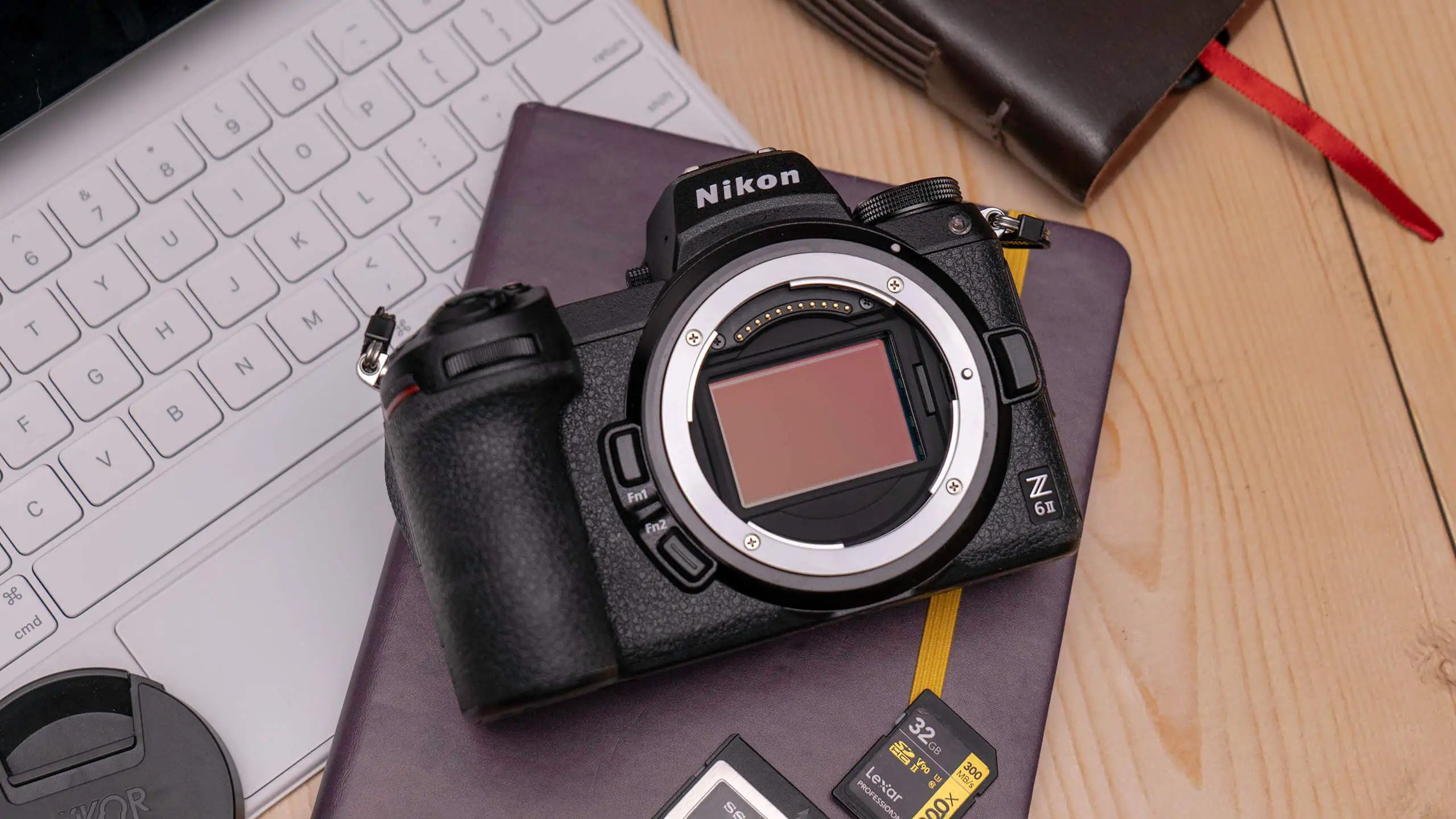
The best budget mirrorless cameras in 2025 sit in a genuinely exciting price bracket. For under $700, you can now acquire a camera with interchangeable lenses and a sensor far superior to any smartphone. The fierce competition between Sony, Fujifilm, Canon, and Nikon in this entry-level segment ensures that buyers get professional-grade image quality without the professional-grade price tag.
The key thing to understand when buying in this range: the body is almost never the limiting factor. The lens you put on it matters more than any spec on the camera itself.
Best Budget Mirrorless Cameras 2025: Full Comparison
| Camera | Sensor | Resolution | Video | IBIS | Price (body) | Best For |
| Sony ZV-E10 II | APS-C Exmor CMOS | 26MP | 4K 30fps uncropped | No | ~$600 / £550 | Content creators, vloggers, beginners wanting top AF |
| Fujifilm X-S20 | APS-C X-Trans CMOS 4 | 26MP | 6.2K / 4K 60fps | Yes (5-stop) | ~$1,299 → used $800 | All-rounder, film simulations, hybrid photo/video |
| Canon EOS R50 | APS-C CMOS | 24.2MP | 4K 30fps (cropped) | No | ~$680 / £599 | Beginners, family photography, strong Dual Pixel AF |
| Nikon Z30 | APS-C BSI CMOS | 20.9MP | 4K 30fps | No | ~$630 / £579 | Video-first shooters; no EVF is the trade-off |
| Sony A6400 | APS-C Exmor CMOS | 24.2MP | 4K 30fps | No | ~$850 → used $500-$650 | Reliable workhorse; best used-market value in APS-C |
| OM System OM-5 | Micro 4/3 | 20.4MP | 4K 30fps | Yes (7.5-stop!) | ~$999 → used $700 | Weather-sealed adventure photography, travel |
What to Actually Look For When Buying Budget Mirrorless
Specs are easy to compare. These are the factors that determine what it’s actually like to use the camera:
- Autofocus system (most important for people/video): Sony’s Eye AF and Canon’s Dual Pixel AF II are the two best systems in this price bracket. If you’re shooting people, the AF system matters more than sensor or megapixels
- Sensor size: APS-C (all but OM System above) gives better low light and shallower depth of field than Micro 4/3. MFT has the advantage of much smaller, lighter lenses
- IBIS (In-Body Image Stabilisation): No IBIS is fine for stills with good technique. For handheld video or low-light photography without a tripod, IBIS is a genuine advantage – the OM-5’s 7.5-stop IBIS is exceptional
- Lens ecosystem: This is the hidden cost. A cheap body in a lens system with expensive or limited glass options will cost you more over time than a slightly more expensive body with better lens selection
The Lens Ecosystem Problem
Buying a mirrorless camera is really buying into a lens system. The body will be replaced in 3-5 years. The lenses can last decades. This should weigh heavily in the purchase decision:
- Sony E-mount: The largest APS-C mirrorless lens ecosystem. Third-party options from Sigma, Tamron, Viltrox – both native and adapted. Best for long-term flexibility
- Canon RF-S: Growing fast – Canon has prioritised RF ecosystem heavily. Good native options, but fewer budget third-party choices than Sony
- Nikon Z: Strong full-frame lens ecosystem that adapts down to APS-C bodies – excellent if you think you’ll eventually move to full-frame Nikon
- Fujifilm X: Excellent native lens catalogue built over 10+ years. Less third-party support but Fujifilm’s own lenses are excellent – just not cheap
- Micro 4/3 (OM/Panasonic): Massive legacy lens catalogue. Bodies and lenses are smaller and lighter than APS-C equivalents. Best ecosystem for travel photographers who care about pack weight
Budget Mirrorless by Use Case
| Use Case | Best Pick | Key Reason | Trade-off |
| Learning photography (first camera) | Canon EOS R50 or Sony ZV-E10 II | Excellent autofocus, beginner-friendly menus, good lens starter kits | No IBIS; Canon is slightly more beginner-oriented; Sony has better third-party lenses |
| YouTube / video content | Sony ZV-E10 II or Nikon Z30 | Clean 4K, good microphone input, content-creator-focused features | ZV-E10 II has no EVF; Z30 has no EVF either – both intended for screen shooting |
| Travel photography | OM System OM-5 (used) | Weather sealing + 7.5-stop IBIS in a small body – unmatched for travel | Micro 4/3 sensor shows limits in extreme low light vs APS-C |
| Photo + video hybrid | Fujifilm X-S20 (used) | 6.2K video, 5-stop IBIS, film simulations, excellent stills – the most versatile in category | Full new price is above $700 – hunt used |
| Best used market value | Sony A6400 | 5-year-old flagship with class-leading AF still – used prices $500-$650 are exceptional value | No IBIS; older body design; 4K is slightly overheated with extended use |
Buying Used: The Budget Mirrorless Sweet Spot
Camera technology from 3-4 years ago is still exceptional today. The best budget mirrorless camera might be last year’s (or last generation’s) flagship at half the price. Used markets to check:
- MPB (UK/US/EU): Graded condition system with return policy – the safest used camera buyer
- KEH Camera (US): Long-established used specialist with conservative grading
- eBay: Higher variance but lower prices – look for sellers with strong feedback and clear photos of the actual item
- Facebook Marketplace / local classifieds: Best prices, most risk – inspect in person before payment
Cameras worth hunting specifically: Sony A6400 (used $500-$650), Sony A6600 (IBIS, used $700-$850), Fujifilm X-S10 (predecessor to X-S20, excellent value used), Canon M50 Mark II (older system but good for beginners, under $400 used).
Final Thought
The budget mirrorless market in 2025 is genuinely the best it’s ever been for value. A four-year-old Sony A6400 or a new Canon R50 both produce images that would have been considered professional-grade a decade ago. Buy the body that fits your main use case, invest more in one good lens than you spent on the body, and shoot with it enough to understand its limitations before upgrading anything. The camera is almost never what’s limiting your photography at this level.
