
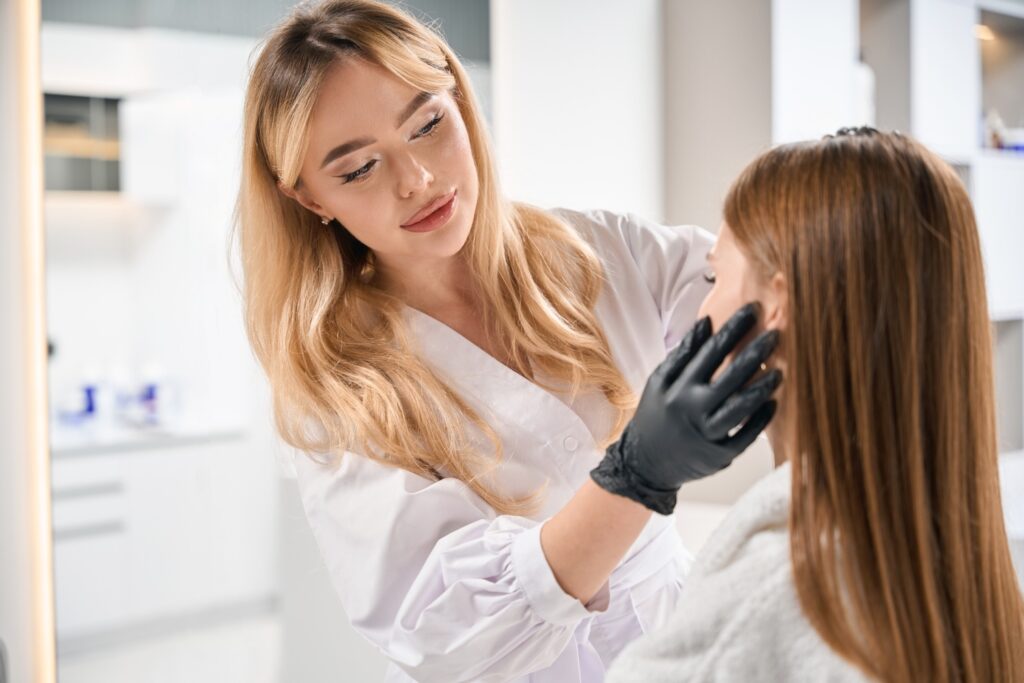
Hormones play a critical role in the health and appearance of your skin. These chemical messengers regulate various processes in your body, including those that affect your largest organ, the skin. From puberty to menopause and beyond, hormonal fluctuations can result in noticeable changes, both positive and negative. To understand how hormones impact your skin and how to manage potential skin concerns, a Vancouver dermatologist provides key insights.
The Role of Hormones in Skin Health
Hormones such as estrogen, progesterone, testosterone, cortisol, and insulin significantly influence your skin’s condition. For example, estrogen, often called the “youth hormone,” contributes to skin elasticity and hydration. When estrogen levels are high, such as during pregnancy, skin often appears radiant and firm. Conversely, declining estrogen levels during menopause can lead to drier, thinner, and more fragile skin.
Testosterone, while commonly associated with male physiology, is also present in women and has a potent impact on the skin. When the body produces excessive androgens-male hormones like testosterone-sebaceous glands in the skin go into overdrive, leading to oily skin and acne breakouts. This phenomenon is particularly noticeable during puberty and can continue into adulthood for some individuals.
Skin Conditions Linked to Hormonal Changes
Acne
Hormonal acne is one of the most common skin concerns tied to hormonal changes. It typically occurs on the lower face, jawline, and chin and is often linked to fluctuations in androgens during puberty, menstrual cycles, or conditions like polycystic ovary syndrome (PCOS). Hormonal acne can manifest as deep, painful cysts that may leave scars if untreated.
Melasma
Also known as “the mask of pregnancy,” melasma appears as dark patches on the skin, particularly on the face. Hormonal changes during pregnancy, combined with sun exposure, often trigger this hyperpigmentation issue. Birth control pills and hormone replacement therapy (HRT) can also play a role in melasma’s development.
Eczema and Psoriasis
Conditions like eczema and psoriasis can be exacerbated by hormonal changes. For example, pregnancy and menstrual cycle shifts may worsen flare-ups in individuals prone to these inflammatory disorders.
Skin Aging
Hormonal shifts during menopause can accelerate the aging process. Reduced estrogen levels result in collagen loss, decreased elasticity, and dryness, all of which contribute to wrinkles and sagging skin.
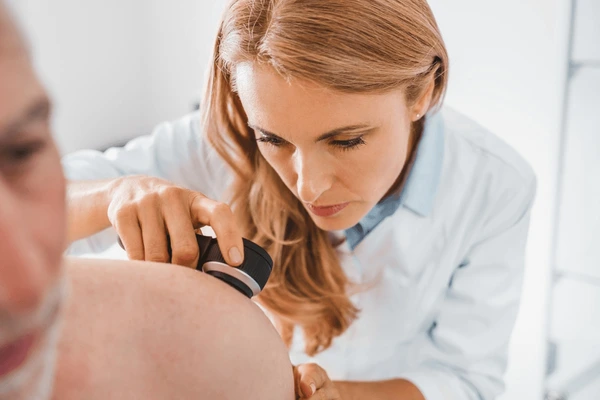
How to Manage Skin Health Amid Hormonal Fluctuations?
While hormonal changes are inevitable, you can take proactive steps to manage their effects on your skin. A dermatologist may recommend tailored treatments and lifestyle adjustments to minimize hormonal skin concerns.
Here are some effective strategies:
Use the Right Skincare Products
Incorporate dermatologist-recommended products that address hormonal skin issues. For acne-prone skin, opt for salicylic acid, benzoyl peroxide, or retinoids. For aging or dry skin, look for products with hydrating ingredients like hyaluronic acid and ceramides.
Maintain a Balanced Diet
Hormonal imbalances can sometimes be moderated by a nutritious diet. Foods rich in omega-3 fatty acids, antioxidants, and vitamins can contribute to healthier skin. Additionally, reducing your intake of sugar and processed foods may help control insulin levels and reduce acne flare-ups.
Manage Stress Levels
Stress increases cortisol production, which can negatively affect skin by triggering inflammation or exacerbating acne. Incorporating stress-reducing activities such as yoga, meditation, or regular exercise can support overall hormonal health.
Consult a Dermatologist
A professional can evaluate your skin type, hormonal patterns, and medical history to create a personalized treatment plan. Options like hormonal therapy, prescription-strength skincare, or in-office treatments like chemical peels or laser therapy might be recommended to achieve optimal results.
Conclusion
Your skin is a mirror of what’s happening inside your body, particularly when it comes to hormones. Understanding the connection between hormonal changes and skin health is crucial for managing common concerns like acne, melasma, and aging. By adopting proper skincare habits, maintaining a healthy lifestyle, and seeking advice from a qualified dermatologist, you can work to keep your skin clear, vibrant, and resilient, no matter what life stage you are in.
If you’re noticing persistent skin issues or are unsure how hormonal changes may be affecting you, consider consulting with a trusted Vancouver dermatologist. Their expertise can guide you toward effective solutions to achieve glowing, healthy skin.
